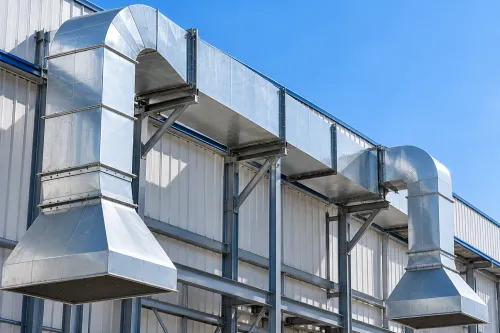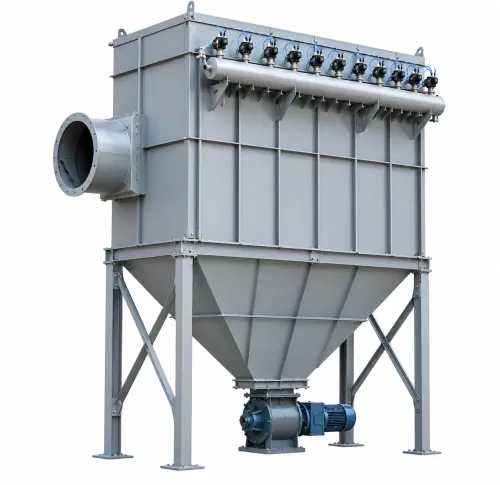
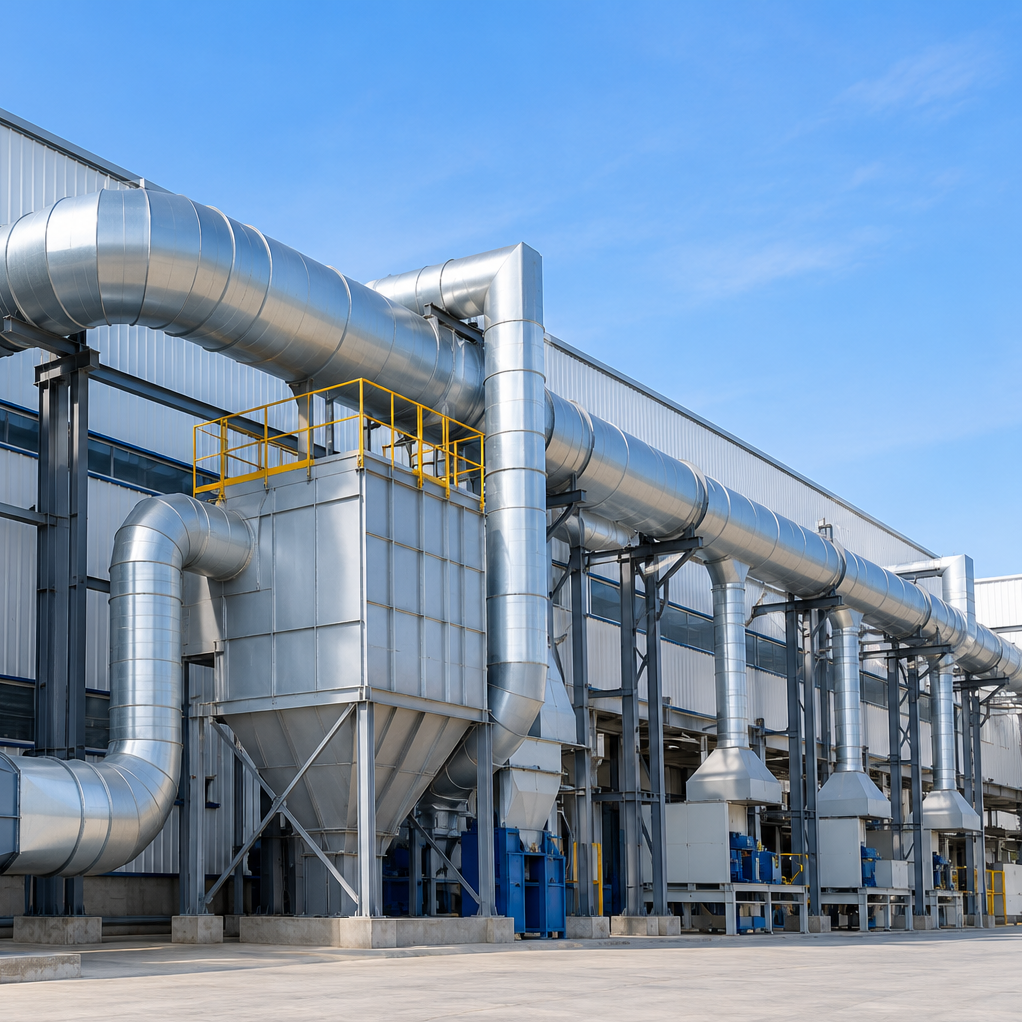
Industrial ducting is sometimes treated as little more than a pathway between equipment. In reality, duct size, routing, material and fabrication quality can strongly influence the performance of an entire ventilation or pollution-control system.
Companies evaluating Industrial Ducting Bangalore should therefore consider ductwork as an engineered component rather than a secondary fabrication requirement.
Why Duct Design Matters
Air loses pressure while moving through a duct network.
The amount of loss depends on factors including:
- Duct diameter or cross-sectional area
- Air velocity
- Duct length
- Surface condition
- Number of bends
- Branch connections
- Transitions
- Dampers and fittings
Poorly planned ducting can force the blower to work against unnecessary resistance.
Correct Sizing Is Essential
A duct that is too small can create high velocity and increased pressure loss. A duct that is excessively large may result in unsuitable transport velocity for certain applications and can consume more installation space.
The required dimensions should therefore be based on airflow and the characteristics of the material being transported.
For dust extraction, for example, velocity may need to remain sufficient to help transport particulate matter through the system. Fume extraction can involve different design considerations.
Avoid Unnecessary Bends
Every bend changes airflow direction and introduces additional resistance.
Industrial layouts sometimes force ducting around structural columns, machinery or existing utilities. However, thoughtful routing during the design stage can reduce unnecessary elbows and abrupt changes.
A simpler path can improve airflow and reduce pressure requirements.
Select Materials According to the Exhaust
Duct construction should reflect what is moving through it.
Ordinary ventilation air, dusty air and corrosive chemical fumes can require different materials. PP, FRP and other suitable materials may be considered for corrosive applications, while other industrial materials can be appropriate for different service conditions.
Chemical compatibility should be verified rather than assumed.
Pay Attention to Joints and Supports
Even well-sized ducting can create operational problems when fabrication or installation is poor.
Joints should be appropriate for the service, while supports should prevent sagging and excessive movement. Access points may also be useful where inspection or cleaning is expected.
In factories operating continuously, maintainability can be just as important as initial installation.
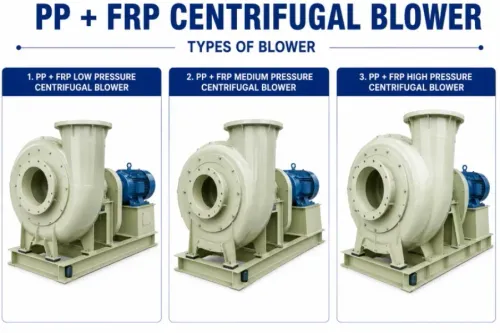
Coordinate Ducting with the Blower
A blower should not be finalized before the duct network is understood.
Longer routes and more restrictive fittings increase pressure loss, which affects blower selection. Likewise, changing duct dimensions after the blower has been ordered can alter the expected system performance.
Sri Krishna Fibre Industries undertakes industrial ducting and associated pollution-control fabrication for manufacturing facilities in Bangalore, helping coordinate ductwork with blowers, scrubbers and exhaust equipment.
For industrial project teams, the most useful approach is to review the complete airflow route before fabrication starts. Well-designed ducting can support efficient contaminant capture, manageable pressure losses and more predictable ventilation performance across the facility.
Keywords