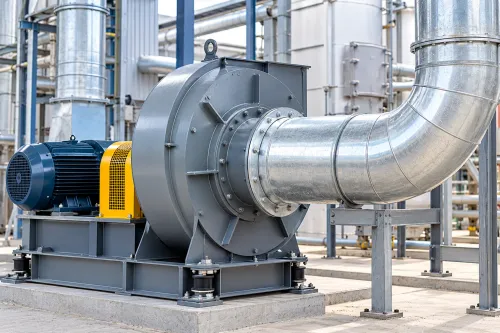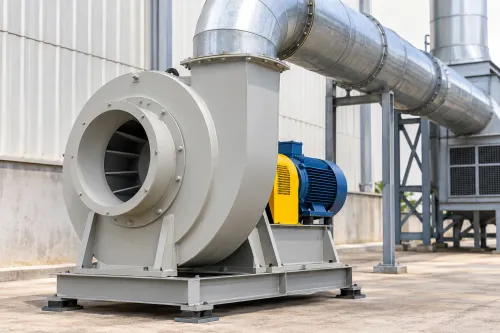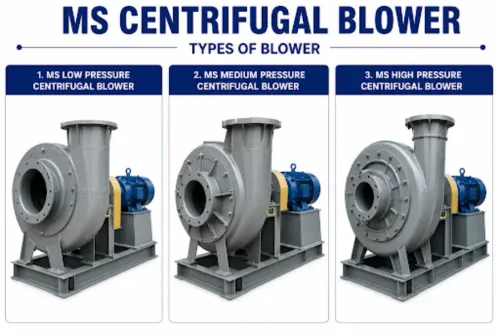
High-pressure ventilation applications demand careful engineering because small selection errors can affect airflow throughout the system. When a blower must overcome substantial resistance, assumptions based only on motor size or previous installations can produce disappointing results.
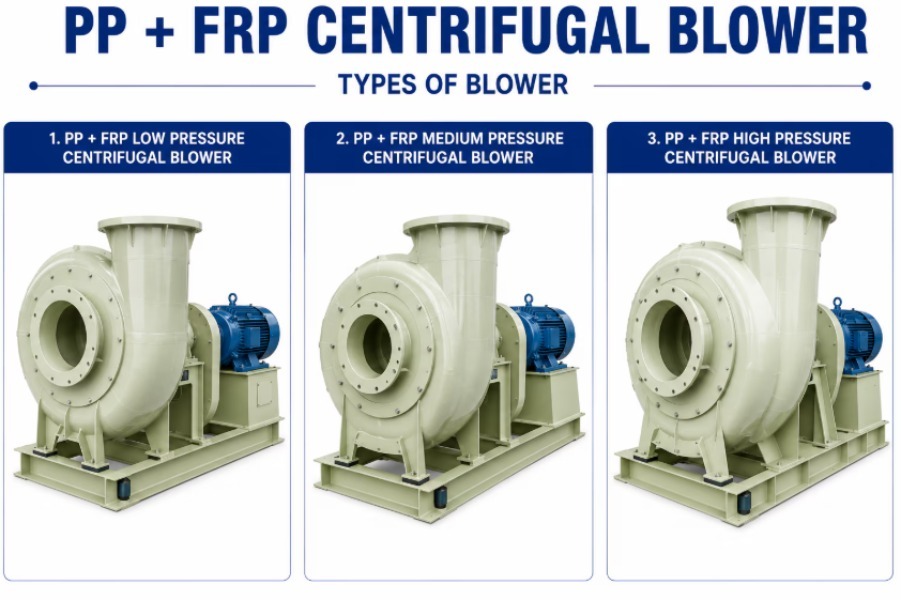
Companies searching for a High Pressure Blower Bangalore can reduce project risk by avoiding several common mistakes during specification.
Mistake 1: Selecting by Motor Power Alone
A larger motor does not automatically mean the blower will deliver the required airflow at the required pressure.
Industrial blower performance should be evaluated against the operating duty point. This means determining how much air the process requires and how much static pressure the blower must overcome.
Without these two values, motor rating provides incomplete information.
Mistake 2: Underestimating Duct Losses
Long duct networks can create substantial resistance, particularly when they include:
- Multiple elbows
- Reduced duct sections
- Branches
- Dampers
- Flexible connections
- Abrupt transitions
Pressure losses accumulate across the system. Ignoring them can result in weak suction at the process hood despite installing a seemingly powerful blower.
Mistake 3: Forgetting Equipment Resistance
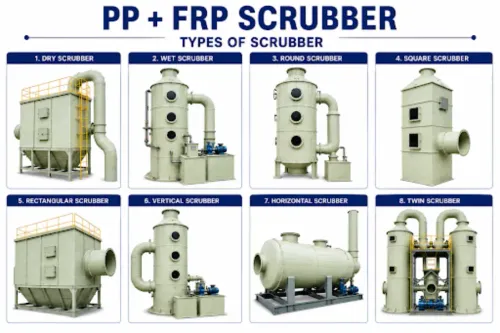
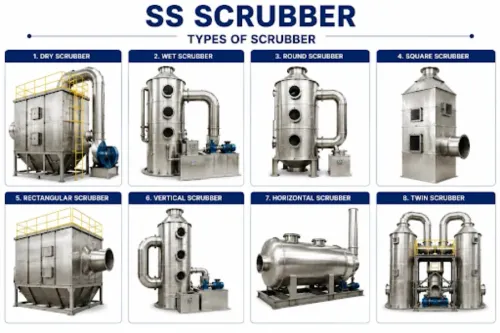
Scrubbers, dust collectors and other pollution-control devices add pressure resistance.
If these components are installed between the collection point and blower, their pressure drop needs to be included during system calculations.
The blower should be selected for the complete installation rather than the duct alone.
Mistake 4: Ignoring the Exhaust Medium
A blower handling corrosive chemical fumes cannot always use the same material specification as a blower moving ordinary air.
Chemical compatibility, moisture, temperature and particulate loading should influence construction and component selection.
For Bangalore's chemical processing, electroplating and pharmaceutical sectors, this consideration can be particularly important.
Mistake 5: Oversizing Without Justification
Oversizing is sometimes used as a substitute for calculation.
While providing an appropriate engineering margin can be sensible, excessive capacity may increase energy use and change system velocities. It can also make balancing more difficult.
The objective is not to purchase the biggest blower available. It is to achieve the required operating condition reliably.
Mistake 6: Treating the Blower as an Independent Machine
A high pressure blower forms part of an air-handling network.
Hood geometry influences capture. Duct dimensions influence velocity. Treatment equipment creates resistance. The outlet arrangement affects discharge conditions.
Sri Krishna Fibre Industries works with blowers, scrubbers, ducting and other industrial pollution-control equipment, allowing these interconnected requirements to be evaluated during project planning.
What Should Be Checked Before Ordering?
Engineering teams should document:
- Airflow requirement
- Total static pressure
- Process temperature
- Exhaust composition
- Duct arrangement
- Connected equipment
- Operating hours
- Installation location
- Maintenance requirements
For industrial facilities across Bangalore and Karnataka, careful specification at this stage can prevent later attempts to compensate for poor airflow through modifications. High-pressure blower selection is most reliable when the complete ventilation system is understood before fabrication begins.
Keywords