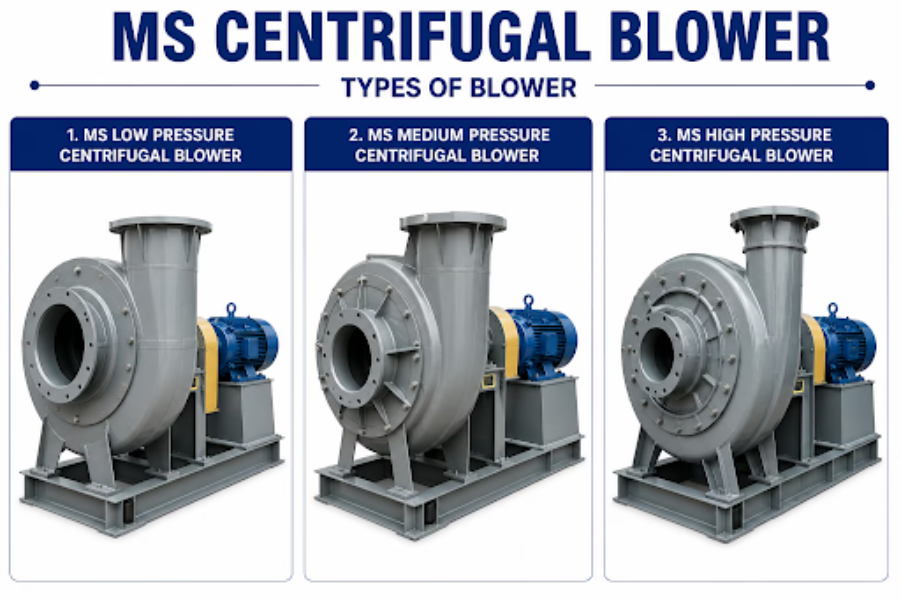
A blower may look like a straightforward rotating machine, but its role within an industrial ventilation system is highly specific. It must move the required volume of air while overcoming resistance created by ducts, bends, filters, scrubbers, dampers and other system components.
For companies evaluating a Centrifugal Blower Manufacturer Bangalore, understanding airflow and static pressure can make equipment selection considerably more accurate.
How Does a Centrifugal Blower Work?
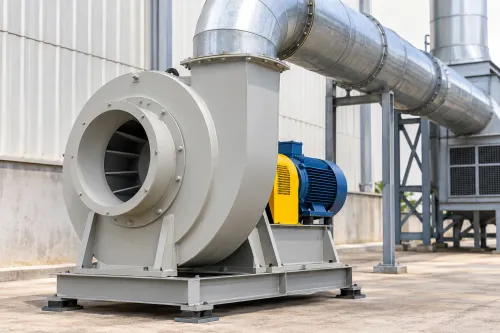
A centrifugal blower uses a rotating impeller to draw air into the unit and discharge it at a higher pressure.
Air enters near the centre of the impeller. Rotation accelerates the air outward, and the blower casing helps convert this energy into useful airflow and pressure.
Centrifugal blowers are commonly used in:
- Industrial exhaust systems
- Pollution-control plants
- Scrubber installations
- Dust collection
- Process ventilation
- Fume extraction
- Industrial drying or air movement applications
Airflow and Pressure Are Different
One of the most common misunderstandings in blower selection is treating airflow and pressure as the same requirement.
Airflow describes how much air needs to be moved.
Pressure represents the force required to move that air through resistance within the system.
A plant may need high airflow at relatively modest pressure, while another application may require a blower capable of overcoming significantly greater resistance.
What Creates System Resistance?
Air loses pressure as it moves through ventilation equipment.
Resistance can be created by:
- Long duct runs
- Small duct diameters
- Multiple bends
- Dampers
- Filters
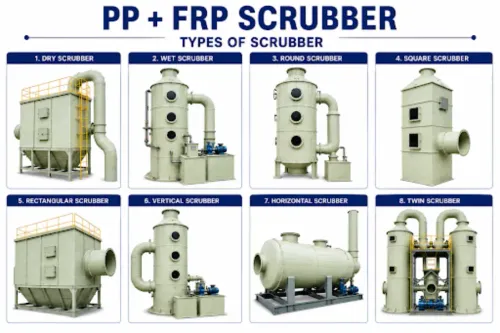
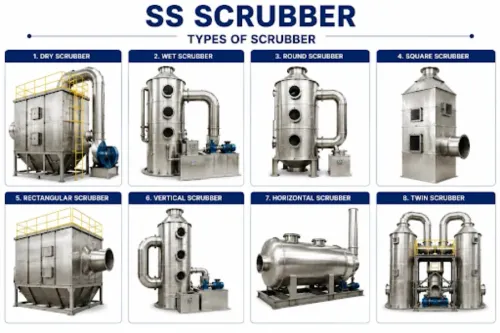
- Scrubbers
- Dust collectors
- Changes in duct cross-section
- Outlet arrangements
This is why selecting a blower purely by motor power can be misleading. The required operating point depends on the complete ventilation network.
Why Oversizing Is Not Always Helpful
It may seem safer to choose a much larger blower, but excessive capacity can introduce its own problems.
An oversized unit may consume unnecessary energy, create excessive air velocity or produce operating conditions different from those intended by the system design.
Undersizing creates the opposite problem: insufficient suction at hoods and collection points.
Correct selection therefore aims to match blower performance with the actual system requirement.
Industrial Conditions Matter
Factories in Bangalore may use centrifugal blowers in environments involving dust, fumes, moisture or corrosive exhaust.
Material selection and impeller configuration should therefore reflect the medium being handled. A blower serving ordinary ventilation may require different construction from one operating with a chemical scrubber.
Sri Krishna Fibre Industries manufactures industrial ventilation and pollution-control equipment for process-specific applications, allowing blower requirements to be coordinated with ducting, scrubbers and associated systems.
Information Needed for Blower Selection
Before selecting equipment, plant engineers should establish the required airflow, estimated static pressure, air characteristics, operating temperature, installation arrangement and intended duty.
A blower should ultimately be selected as part of the system rather than as an isolated machine. When airflow, pressure losses and process conditions are calculated together, industrial ventilation can operate more predictably and efficiently.
Keywords