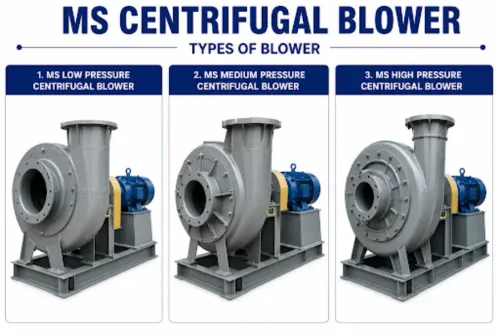
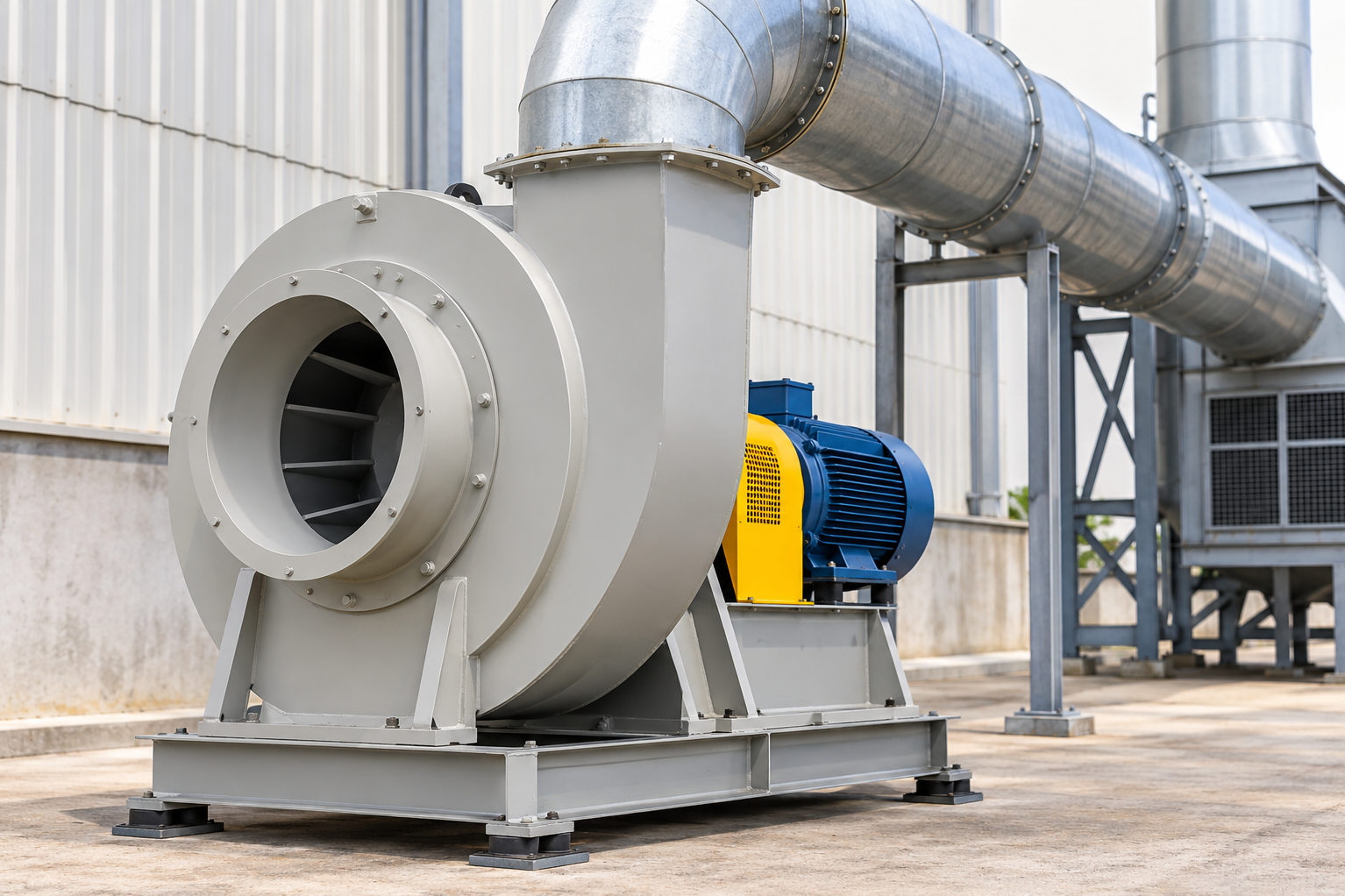
Industrial air movement does not always require high pressure. Many ventilation applications involve moving substantial quantities of air through systems with relatively low resistance. In these situations, using unnecessarily high-pressure equipment can add cost and energy consumption without providing a practical advantage.
Businesses evaluating a Low Pressure Blower Bangalore should therefore begin by determining the actual resistance within their ventilation network.
Where Low Pressure Blowers Fit
Low pressure blowers are generally considered where the system needs airflow but does not have substantial resistance to overcome.
Potential applications can include:
- General industrial ventilation
- Air circulation
- Exhaust arrangements with short duct runs
- Process air movement
- Selected drying applications
- Ventilation of machinery areas
- Certain fume extraction arrangements
The suitability depends on calculated operating conditions rather than the application name alone.
Low Pressure Does Not Mean Low Airflow
Pressure and airflow describe different characteristics.
A low pressure blower can move a significant volume of air when the system resistance is modest. Conversely, a system containing long ducts, restrictive equipment or several treatment stages may require greater pressure even if its required airflow is moderate.
This distinction is essential when comparing blower options.
When Might Low Pressure Be Suitable?
Consider an industrial area where warm air needs to be extracted through a relatively short and open duct network. If there are few bends and no high-resistance treatment devices, the static pressure requirement may remain relatively low.
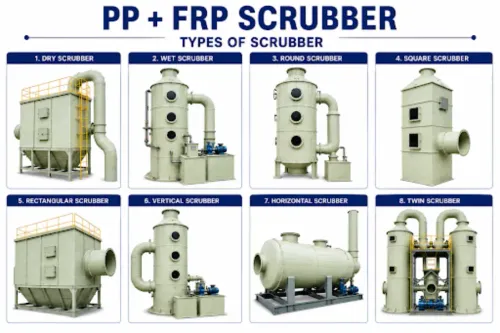
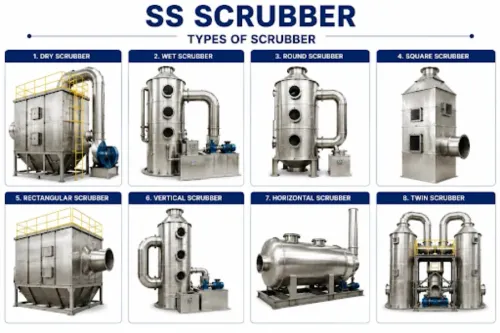
In contrast, connecting the same blower to a scrubber, filter or extensive duct system can significantly change the operating requirement.
That is why equipment should not simply be reused across different applications without checking system conditions.
Factors to Evaluate Before Selection
Manufacturing companies in Bangalore should assess:
- Required air volume
- Total duct length
- Number and type of bends
- Hood or inlet resistance
- Dampers and fittings
- Equipment connected to the duct
- Discharge conditions
- Nature and temperature of the air
These inputs help establish whether a low pressure blower is appropriate.
Energy Consumption Deserves Attention
Industrial blowers may operate for several hours each day. Small efficiency differences can therefore influence long-term electricity consumption.
Correct sizing helps avoid operating a larger machine than the process requires. Good duct design can also reduce unnecessary resistance, allowing the ventilation system to move air more efficiently.
For facilities planning new installations in Karnataka, evaluating both capital cost and operating requirements provides a more realistic basis for equipment selection.
Matching Equipment with the System
Sri Krishna Fibre Industries works with centrifugal blowers, industrial ducting and pollution-control systems for industrial projects in Bangalore. This integrated perspective can be useful when blower selection depends on equipment positioned elsewhere in the airflow path.
A low pressure blower is a practical choice when the system genuinely operates within a lower pressure range. The correct decision should come from understanding airflow, static pressure and operating conditions rather than simply choosing equipment by category or motor rating.
Keywords