Industrial facilities generate different types of emissions depending on their processes, raw materials and production volumes. Dust, fumes, vapours, gases and airborne particulates can affect workplace conditions as well as the surrounding environment when they are not managed through an appropriately designed system.
For manufacturing companies searching for a Pollution Control System Manufacturer Bangalore, the important question is not simply which equipment is available. The more useful starting point is understanding the pollutant, where it originates and how it should be captured and treated.
What Does an Industrial Pollution Control System Do?
A pollution control system is designed to capture contaminants close to their source and prevent uncontrolled release into the workplace or atmosphere.
A typical system may include:
- Hoods or collection points
- Industrial ducting
- Scrubbers
- Dust collectors
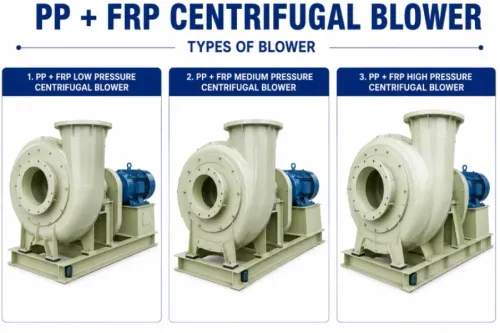
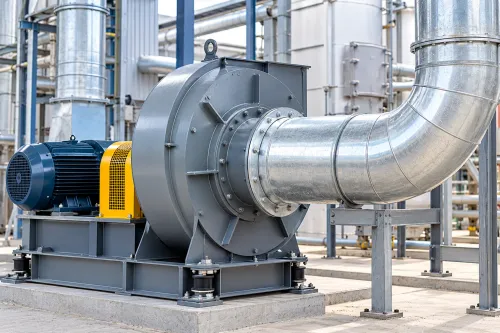
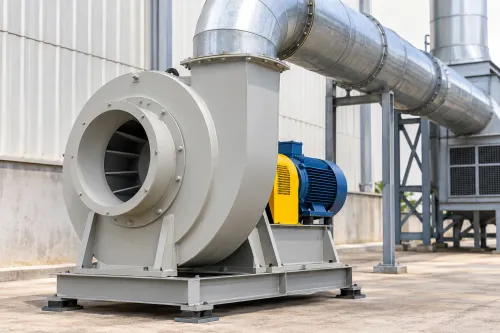
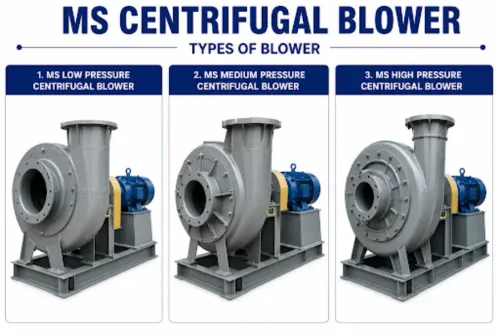
- Centrifugal blowers
- Exhaust arrangements
- Chimneys or stacks
- Supporting fabrication
The actual combination depends on the industrial application.
For example, a process producing dry particulate matter may require a different collection method from a chemical process releasing corrosive fumes. Selecting equipment without considering this distinction can reduce system effectiveness.
Source Capture Is an Important Starting Point
Pollutants are generally easier to manage when they are captured close to the point where they are generated.
Once fumes or dust spread across a large production area, the ventilation system may need to handle a much greater volume of air. Proper hood design, equipment positioning and duct routing can therefore influence the overall performance of the pollution control arrangement.
This is particularly relevant for factories in Bangalore and other industrial areas of Karnataka where production layouts may include several machines, process tanks or fabrication stations within the same facility.
Airflow Must Match the Process
A larger blower does not automatically create a better pollution control system.
Airflow needs to be sufficient to collect contaminants while maintaining appropriate velocity through the duct network. Excessive airflow can increase energy consumption, while inadequate airflow may allow pollutants to escape.
Engineers typically need to consider factors such as:
- Required air volume
- Static pressure
- Duct dimensions
- Number of bends
- Equipment resistance
- Distance between collection and discharge points
These variables work together rather than independently.
Material Selection Matters
Industrial exhaust streams can contain moisture, chemicals and corrosive compounds. The construction material used for the scrubber, ducting and associated equipment should therefore suit the operating environment.
Depending on the application, materials such as PP, FRP or other suitable industrial materials may be considered.
Sri Krishna Fibre Industries works across pollution control equipment, ventilation systems and industrial fabrication, allowing different components to be considered as parts of an integrated arrangement rather than isolated machines.
Why System-Level Planning Is Useful
Pollution control performance depends on how well individual components work together. An efficient scrubber connected to poorly sized ducting, for instance, may not provide the expected result. Similarly, a suitable duct network can still underperform when the blower cannot overcome system resistance.
Manufacturing companies should therefore evaluate the complete path:
pollutant source → capture point → ducting → treatment equipment → blower → discharge
Understanding this sequence helps project teams identify potential weaknesses before equipment is fabricated or installed.
For industrial plants across Bangalore, well-planned pollution control begins with understanding the actual process. Equipment selection becomes much more reliable once contaminant characteristics, airflow requirements, layout constraints and material compatibility are considered together.
Keywords