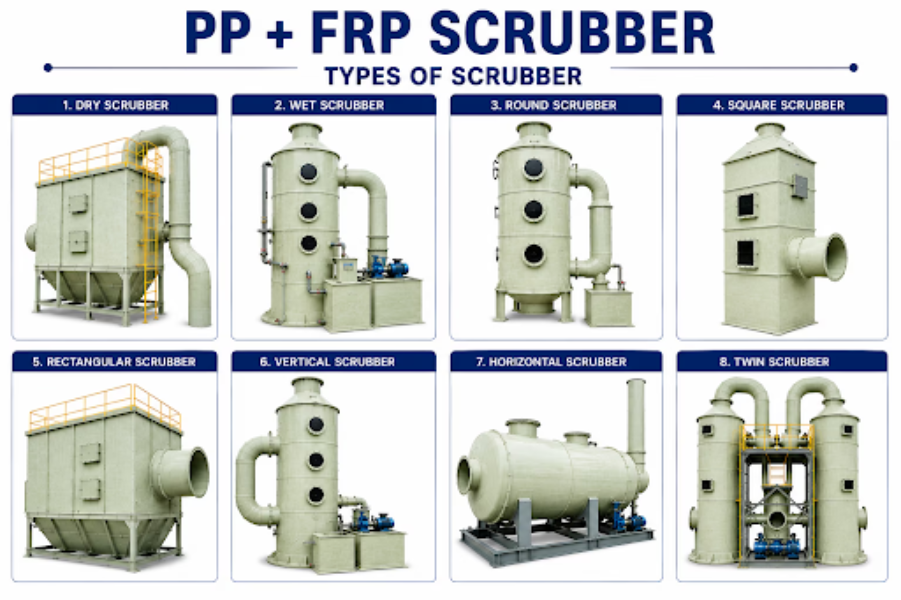
Corrosion is one of the major considerations when designing equipment for chemical exhaust treatment. Scrubbers may be continuously exposed to acidic fumes, moisture, chemical solutions and aggressive operating conditions. Choosing an unsuitable construction material can result in deterioration, leakage and repeated maintenance.
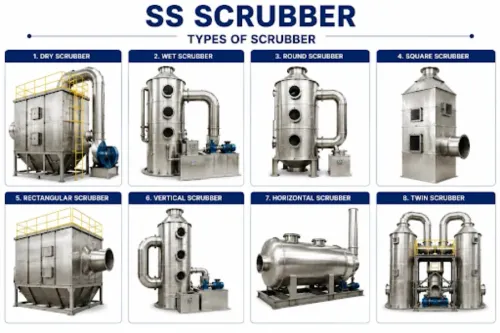
This makes material compatibility an important consideration for companies evaluating a PP FRP Scrubber Bangalore for chemical, pharmaceutical, electroplating and surface-treatment applications.
What Are PP and FRP?
PP refers to polypropylene, a thermoplastic used in many chemical-handling applications because of its resistance to a range of corrosive substances.
FRP refers to fibre-reinforced plastic, a composite material that combines resin with reinforcing fibres to provide strength along with corrosion resistance.
In industrial fabrication, PP and FRP can be used individually or as part of an engineered construction approach depending on operating requirements.
Why Are These Materials Used for Scrubbers?
Traditional metallic equipment can face corrosion challenges when exposed to certain aggressive chemical environments.
PP and FRP are considered for suitable applications because they can offer useful characteristics such as:
- Resistance to many corrosive environments
- Relatively low weight
- Fabrication flexibility
- Suitability for custom industrial equipment
- Reduced dependence on conventional metallic construction in appropriate applications
However, material selection should always be based on the actual chemicals, concentrations and operating temperatures involved.
Chemical Compatibility Comes First
Not every plastic or composite material is suitable for every chemical.
Before selecting a scrubber construction, engineers should understand:
- Type of chemical or contaminant
- Concentration
- Exhaust temperature
- Scrubbing liquid
- Continuous or intermittent exposure
- Mechanical loading
- Outdoor or indoor installation conditions
These factors help determine whether PP, FRP or another material configuration is appropriate.
Structural Design Still Matters
Corrosion resistance alone does not make a scrubber suitable for industrial service.
Large process equipment must also withstand mechanical loads, internal operating conditions and external forces. Connections, supports, access arrangements and fabrication quality all influence long-term reliability.
FRP reinforcement can provide additional structural capability where the design requires it, while the specific fabrication arrangement depends on equipment size and operating conditions.
Applications in Bangalore's Industrial Sector
PP FRP scrubbers can be relevant for Bangalore-based industries involving chemical fumes or corrosive exhaust streams, including:
- Electroplating facilities
- Chemical processing units
- Pharmaceutical plants
- Surface-treatment operations
- Pickling lines
- Industrial laboratories
- Metal-finishing facilities
Because these industries can have substantially different exhaust conditions, a standard scrubber specification should not be assumed to suit every project.
Integration with Exhaust Equipment
The scrubber must also function with the remaining exhaust system.
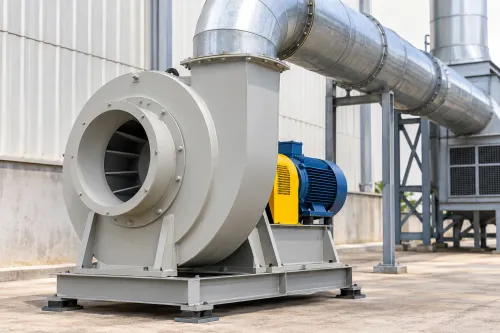
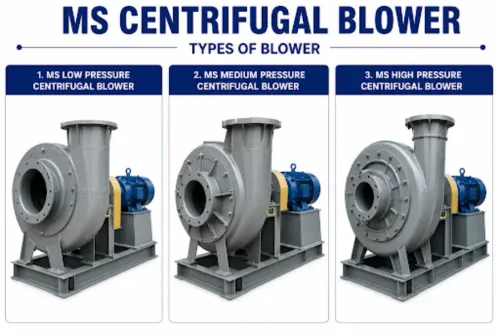
Correctly sized industrial ducting carries contaminated air from the process. A suitable centrifugal blower generates the required airflow and suction. The scrubber then treats the exhaust before discharge.
Sri Krishna Fibre Industries undertakes PP, FRP and related industrial fabrication for pollution-control applications, enabling the equipment configuration to be developed around site-specific requirements.
For industrial buyers, the key lesson is straightforward: selecting a scrubber material should be an engineering decision, not simply a purchase preference. Chemical resistance, temperature, structural requirements, airflow and maintenance accessibility should all be reviewed before fabrication begins.
Keywords