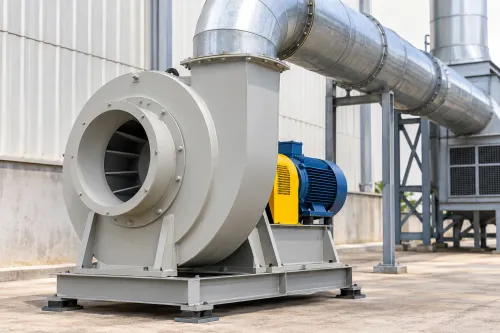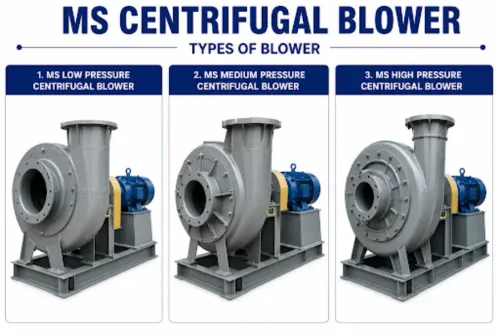
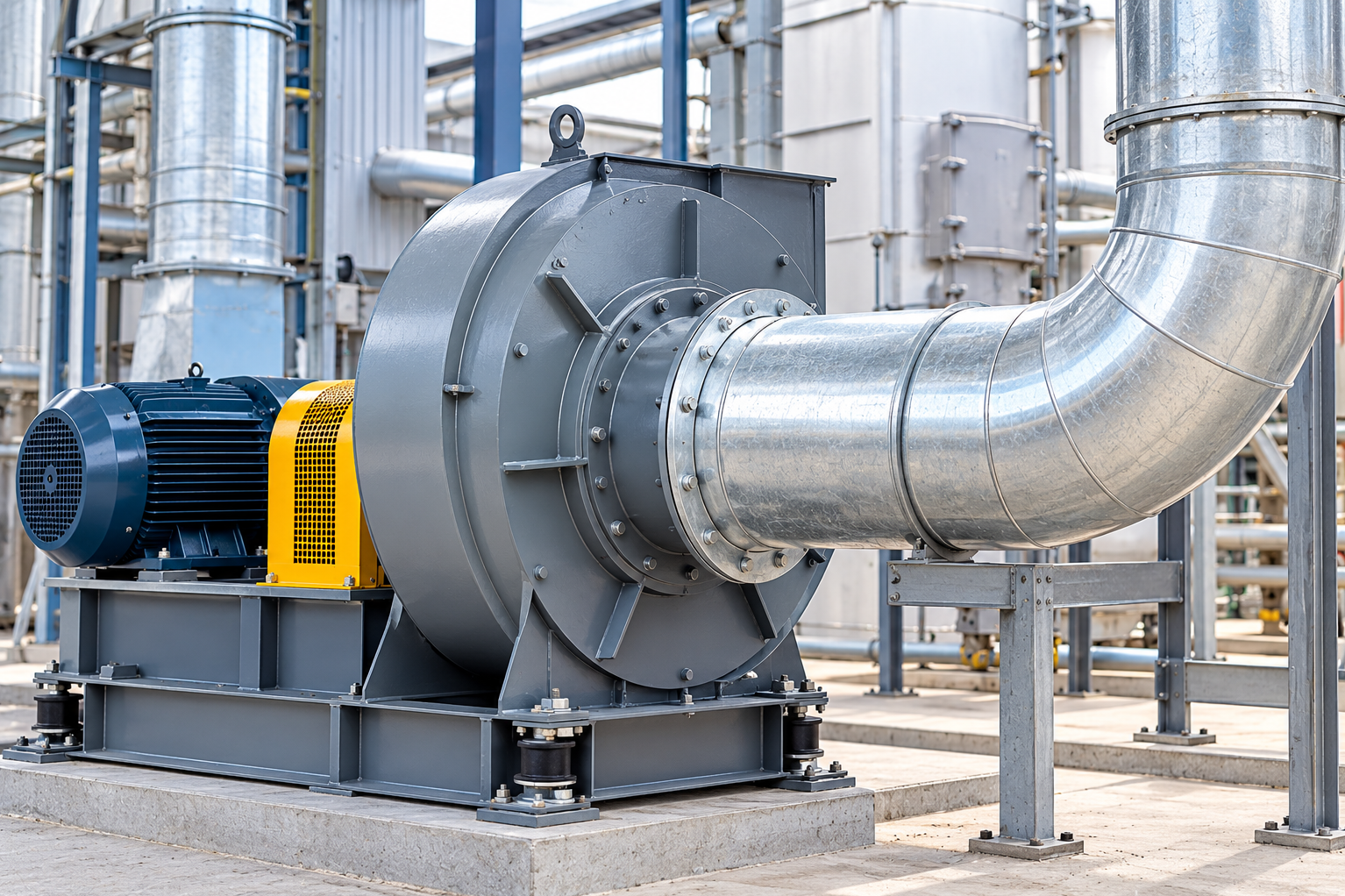
Process ventilation systems often need more pressure than basic air circulation but do not necessarily require equipment intended for very high resistance. This is where medium pressure blowers can become relevant.
For engineering teams comparing a Medium Pressure Blower Bangalore, selection should focus on the operating point of the complete system rather than a generic pressure category.
What Makes a Process a Medium Pressure Application?
There is no benefit in assigning a blower category before calculating the ventilation network.
Pressure requirements increase when air must travel through restrictive components or longer duct runs. A process may move into a medium pressure range because of factors such as:
- Extended ducting
- Several elbows or transitions
- Process hoods
- Dampers
- Scrubbers
- Collection equipment
- Higher required transport velocity
The combined resistance determines what the blower must overcome.
Compare the Duty Point, Not Just Motor Size
When evaluating two blowers, comparing horsepower or motor kilowatts alone does not tell you how either machine will perform in the intended system.
The more useful comparison is the duty point: the required airflow at the required static pressure.
This allows engineers to evaluate whether the blower can operate near the intended system condition.
Consider the Medium Being Handled
Air characteristics also influence equipment specification.
For example, a blower handling relatively clean ventilation air has different operating conditions from a unit extracting chemical fumes from a process line.
Questions worth answering include:
- Is the air corrosive?
- Does it contain moisture?
- Is particulate matter present?
- What is the operating temperature?
- Will the blower operate continuously?
- Is the equipment installed indoors or outdoors?
Material and construction choices should reflect these conditions.
Review the Duct Network
Poor duct design can increase the pressure requirement unnecessarily.
Sharp bends, undersized ducts, abrupt transitions and poorly arranged branch connections can create additional resistance. Before selecting a larger blower, it is worth examining whether the duct network itself can be improved.
This is particularly important in Bangalore factories where ventilation systems are sometimes extended as production capacity grows. An arrangement that worked for the original line may behave differently after new machines or extraction points are added.
Account for Connected Pollution-Control Equipment
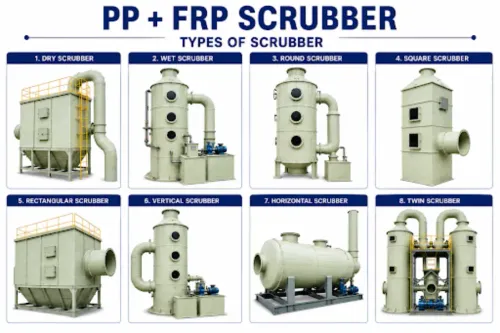
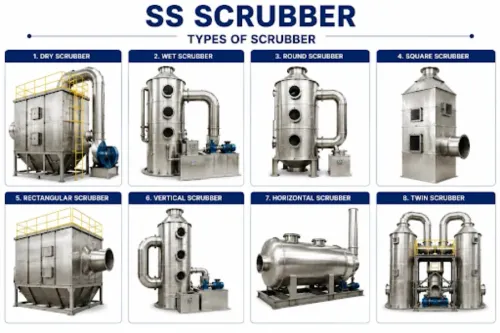
If a blower is part of a scrubber or dust-collection system, resistance through that equipment must be included in the calculation.
Ignoring these pressure losses can lead to inadequate suction at the source even when the blower appears powerful on paper.
Sri Krishna Fibre Industries manufactures industrial blowers and related ventilation equipment for process applications, helping Bangalore-based industries evaluate requirements across the complete air-handling path.
A Practical Selection Checklist
Before finalizing a medium pressure blower, verify the required airflow, calculated static pressure, operating temperature, material compatibility, duty cycle, installation space and maintenance accessibility.
Equipment that closely matches the actual operating requirement can provide more predictable ventilation while avoiding unnecessary oversizing. For process plants, the right blower is therefore the one selected from engineering data rather than assumptions about what constitutes sufficient power.
Keywords